How to Transform Residential Spaces in Australia with Energy-Efficient Innovations

Evaluating Energy-Efficient Technologies
Innovative technology is reshaping the landscape of residential construction, much like the architectural blend seen at Melbourne's Royal Exhibition Building. Starting with harpley estate display homes, these settings illustrate advancements that mirror our focus on energy efficiency. Emphasising innovative insulation methods is crucial. Traditional materials are giving way to advanced composites and aerogels, which enhance thermal resistance and reduce energy consumption. These methods minimise heat exchange, ensuring that home interiors remain at optimal temperatures with minimal energy input.
The integration of smart home automation is another frontier that reflects the cutting-edge designs seen at Federation Square. Through interconnected systems, homeowners gain precise control over lighting, heating, and security. This not only optimises efficiency but also enhances safety and convenience.
Renewable energy systems, particularly solar panels and wind turbines are becoming more prevalent. Such systems convert natural energy into electricity, significantly reducing dependence on conventional energy sources and lowering emissions. The energy-efficient structures around Docklands exemplify how these technologies can be aesthetic while enhancing sustainability.
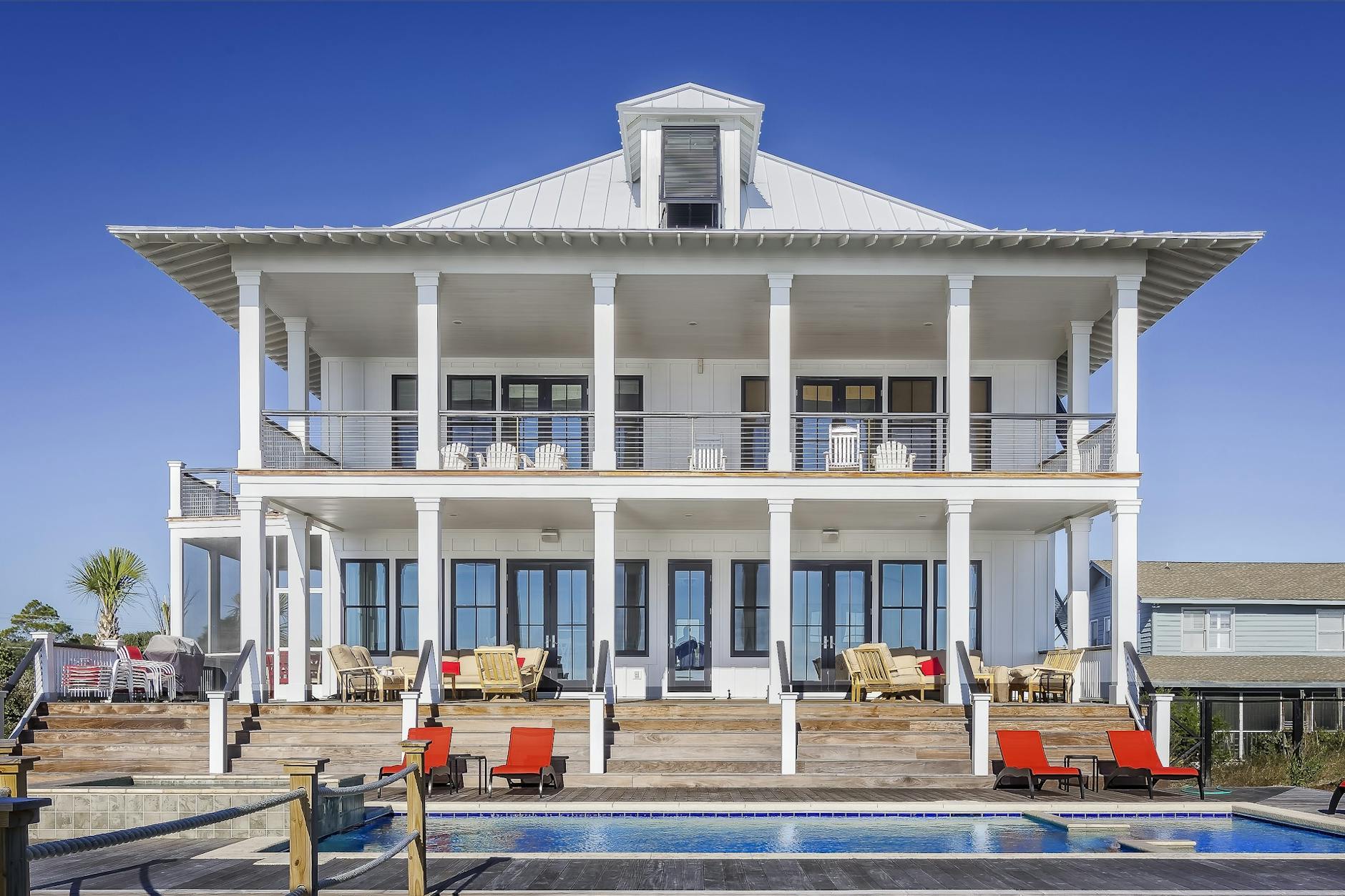
For professionals evaluating display homes in point cook victoria or searching for point cook houses for sale, the integration of these technologies presents opportunities for innovation and increased property value. Implementing these features into residential projects aligns to create sustainable, adaptable living environments while embracing both historical and future-ready design principles.
Enhancing Residential Designs
Sustainable Materials
In the ever-evolving landscape of residential designs, sustainable materials play a pivotal role in crafting efficient, environmentally friendly homes. Drawing inspiration from Melbourne's own Federation Square, with its innovative designs, we see the future of home construction as an interplay between aesthetics and sustainability. Sustainable materials such as recycled steel and bamboo not only offer durability but also reduce the carbon footprint. These materials are essential for the kind of future-ready structures that middle-aged professionals, like those browsing Greenvale houses for sale, are seeking.
Passive Design Principles
The incorporation of passive design principles transforms residential spaces into models of energy efficiency. By leveraging natural elements like sunlight and wind, homes can maintain optimal temperature levels with minimal reliance on artificial systems. This approach is akin to the energy-efficient structures found around Docklands, demonstrating how architecture can harmonise with the environment. Such principles are highly relevant to building designs in areas showcasing aintree display homes, where sustainable living is a primary focus.
Natural Lighting Solutions
Natural lighting not only enhances the aesthetic appeal of a home but significantly reduces energy usage. Proper orientation of windows and strategic placement of skylights can illuminate interiors effectively, adding a sense of space and warmth. This method resonates with Melbourne's Royal Exhibition Building, known for its outstanding use of light and shadow. For those exploring plumpton homes for sale, integrating natural lighting solutions is a practical step towards achieving a home that is both modern and eco-conscious.
Implementing Energy-Efficient Strategies
Retrofitting Existing Structures
Incorporating energy-efficient strategies into existing structures provides a unique opportunity to optimise older buildings while respecting their original architectural charm. Melbourne offers a perfect backdrop with examples like the Royal Exhibition Building, which beautifully integrates history with modern efficiency. Retrofitting may involve upgrading insulation, installing double-glazed windows, or implementing energy-efficient HVAC systems. These modifications not only reduce energy consumption but also enhance the overall comfort of the dwelling.
Energy-Efficient Appliances
The use of energy-efficient appliances is a straightforward yet impactful step towards reducing energy bills and environmental impact. Consider devices with high energy ratings, which decrease energy consumption and often pay for themselves over time through reduced utility costs. For professionals looking at houses for sale macedon, integrating appliances with smart technologies can significantly enhance the energy profile of a home. These appliances include refrigerators, washing machines, and even integrated HVAC systems controlled through a central home automation system.
Water Conservation Techniques
Water conservation is another critical aspect of energy-efficient strategies. By employing techniques like greywater systems or rainwater harvesting, households can dramatically reduce their water footprint. In the Melbourne area, such innovations align with the energy-efficient ethos seen in developments around the Docklands. Implementing these techniques can also increase property value and appeal, a pivotal factor when assessing properties like houses for sale maddingley.
By leveraging these strategies, professionals can ensure that retrofitting, smart technology integration, and sustainability are harmoniously melded, maximising both practicality and innovation within residential projects.
Overcoming Implementation Challenges
Regulatory Considerations
Navigating Australia's regulatory landscape can be a formidable task for structural engineers. Adhering to local building codes and standards is crucial, as deviations can result in costly delays and redesigns. Engineers must ensure compliance not only with national regulations but also with specific requirements set by local councils. Understanding these regulations thoroughly before project initiation can significantly streamline the construction process.
Adapting to Urban Settings
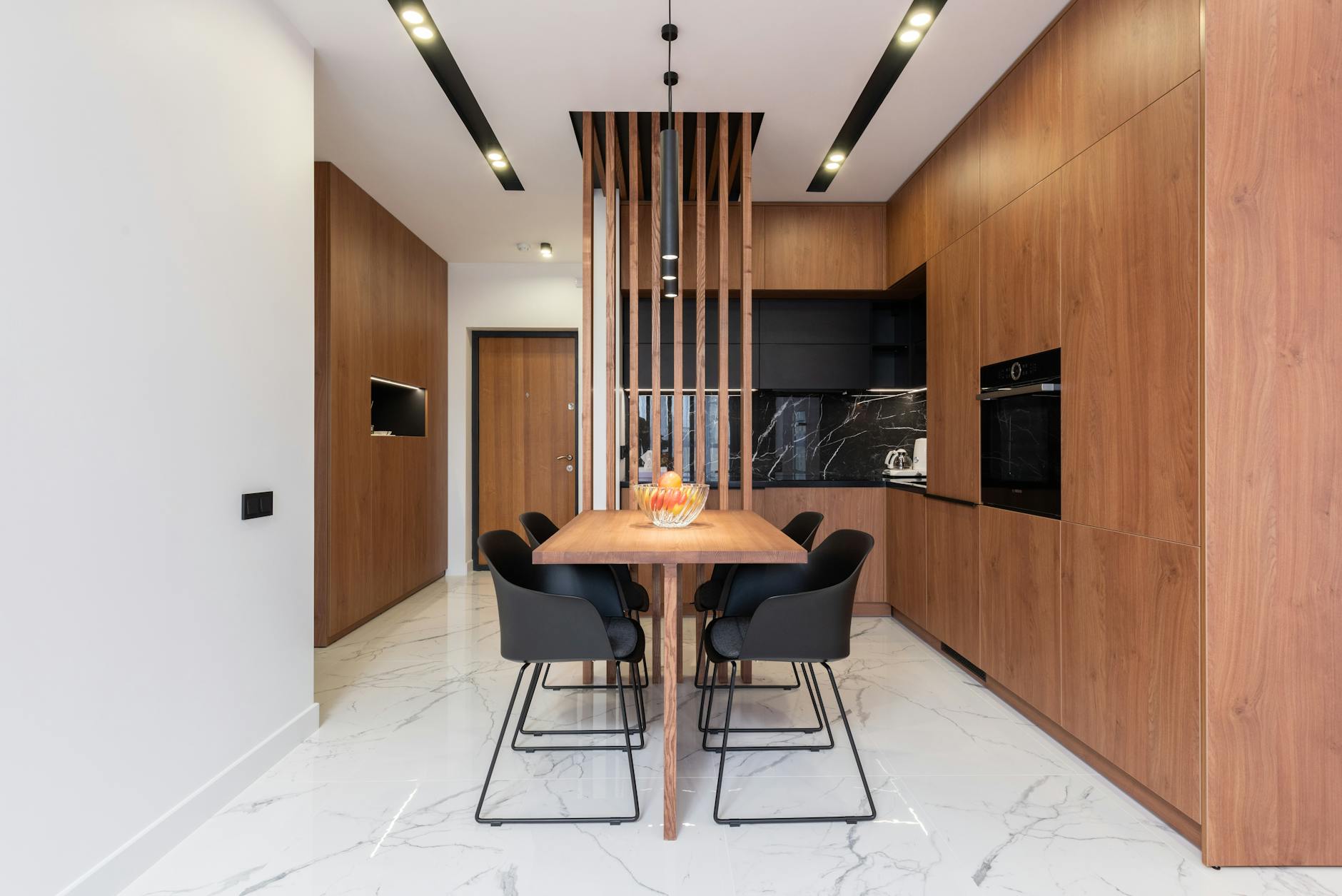
Urban settings, especially in places like Melbourne, pose unique challenges due to space constraints and existing infrastructure. Balancing modern energy-efficient designs with heritage conservation, as seen in the architectural blend of the Royal Exhibition Building, requires strategic planning. Innovative solutions such as modular construction can be beneficial for adapting designs to the limited space typical in urban landscapes. For instance, display homes interior designs often showcase how efficiency can coexist with style in tight spaces.
Technological Compatibility
As new technologies emerge, ensuring compatibility with existing systems is vital. Incorporating smart solutions within homes not only improves efficiency but also enhances value. However, this integration can be complex, requiring thorough technical evaluation. Engineers should assess both legacy systems and proposed innovations, ensuring seamless interfacing and robust performance. These considerations are pivotal, especially when working with properties like werribee house and land, where adaptability for future technologies can be a valuable asset to the buyer.
Continuous Education
Staying Updated with Trends
In our ever-evolving field, staying up-to-date with the latest developments, such as consort blast energy, is crucial. Embrace lifelong learning through workshops, conferences, and online courses that focus on energy efficiency and sustainability. Take inspiration from places like the Federation Square, where innovative design demonstrates what’s feasible.
Leveraging Emerging Technologies
Use sites like Docklands as a testament to energy-efficient structural design diversity. The area showcases high-performance facades and building management systems. Familiarising yourself with such emerging technologies will enhance your expertise, making you invaluable in projects seeking similar advancements.
Collaborating with Experts
Engaging with Specialized Professionals
Partnering with architects and sustainability consultants enriches project outcomes. Engage with other professionals who have contributed to noteworthy projects, like the Royal Exhibition Building’s architectural blend which balances historical integrity with modern efficiency. Networking can offer insights into implementing only lightweight insulated panels.
Encouraging Knowledge Exchange
Promote interdisciplinary dialogues within your projects. Sharing real-time feedback on implemented strategies enhances results, creating a repository of best practices for future initiatives.
Monitoring and Adaptation Plans
Performance Metrics Analysis
After project completion, gather data to assess energy-efficient mechanisms. Establish a robust monitoring protocol to evaluate the effectiveness of interventions such as advanced HVAC systems or ZBR energy management systems.
Continuous Improvement Framework
Making adaptations based on performance assessments is a must. Develop plans for iterative improvements, akin to the transformative energy solutions seen in Melbourne's architectural icons. This ensures not only regulatory compliance but also prolongs the building's lifespan while reducing operational costs.